How to Start a Dropshipping Business with Less Than $100 in 2024
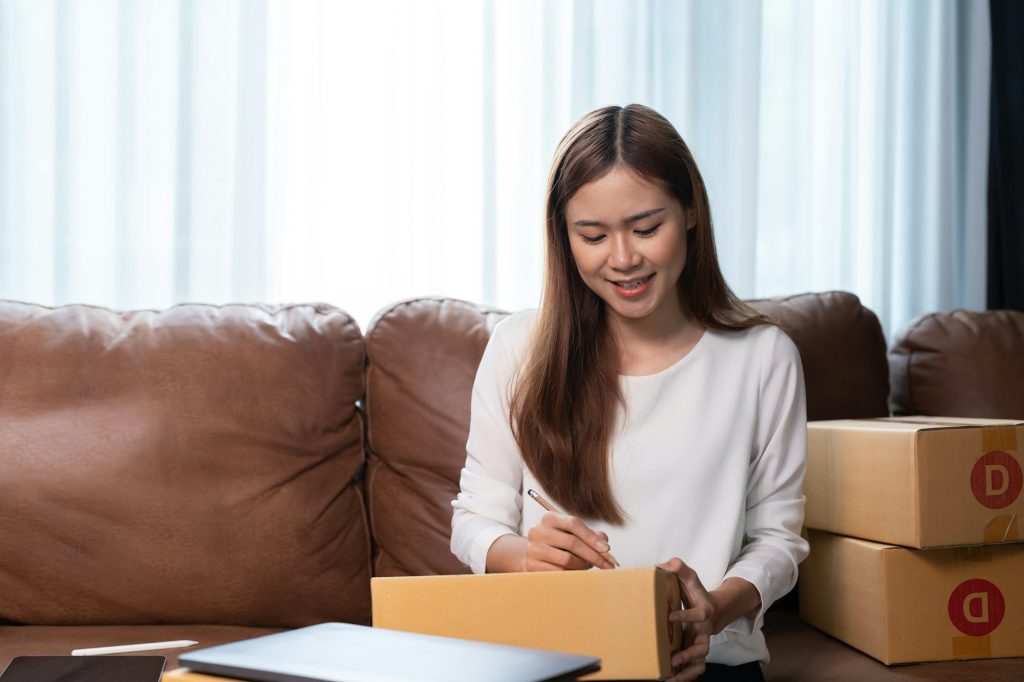
Starting a dropshipping business is one of the easiest ways to enter the world of e-commerce without investing heavily in inventory or storage. With as little as $100, you can set up a business, start selling, and potentially make a profit in a matter of weeks. In 2024, dropshipping remains an accessible, low-risk way to make money online, and with the right strategy, you can maximize your budget effectively. Here’s how to get started with dropshipping on a tight budget.

1. Understand Dropshipping Basics
Dropshipping is a retail business model where you act as a middleman. Instead of stocking products, you sell items directly from suppliers, who ship them to your customers on your behalf. This business model is highly attractive because:
- Low Overhead Costs: You don’t hold inventory or need warehousing.
- Flexibility: You can offer a wide variety of products and target different niches.
- Scalability: It’s easy to add products and adjust pricing as you grow.
To get started, all you need is a small budget to cover the essentials, and the rest relies on your marketing efforts and product selection.

2. Choose a Niche Wisely
Choosing the right niche is critical. A niche defines your target market and product range, which influences everything from branding to marketing. When selecting a niche:
- Research Market Demand: Use tools like Google Trends, Amazon Best Sellers, and even social media to identify trending products.
- Find Low-Cost Products with High Demand: Look for items that are affordable to source yet have a good profit margin. Focus on products that solve problems, cater to specific interests, or are trending.
- Avoid Highly Competitive Niches: While popular niches like electronics or fashion are tempting, they may require more marketing spend due to high competition.
For example, niches like eco-friendly products, unique accessories, or home decor could be excellent starting points with less competition and reasonable supplier options.
3. Set Up an Online Store with a Budget-Friendly Platform
With your niche in mind, you’ll need an online store to showcase your products. Here are some low-cost options that allow you to create a professional-looking store without exceeding your $100 budget:
- Shopify Basic Plan: Shopify offers a 14-day free trial, and its basic plan is affordable for beginners. Its easy integration with dropshipping apps like DSers and Spocket makes it a go-to for e-commerce entrepreneurs.
- WooCommerce (for WordPress): If you already have a WordPress website, WooCommerce is a free plugin that converts your site into an online store. You may need to budget for a low-cost domain and hosting service.
- Wix or Big Cartel: These platforms offer easy-to-use interfaces and low starting costs. Wix has beginner-friendly templates, and Big Cartel’s free plan allows you to list up to five products.
Budget Tip: Allocate around $29 for a Shopify plan or $20 for a domain and hosting if using WooCommerce, keeping your initial cost under $50.
4. Find Reliable Suppliers
A major factor in dropshipping success is the quality of your suppliers. Reliable suppliers ensure timely deliveries, quality products, and good customer service. Consider these popular dropshipping marketplaces:
- AliExpress: Known for its vast selection and competitive prices, AliExpress is a go-to for many new dropshippers. Use tools like DSers to automate order placement and management.
- Fezamarket: With an increasing focus on dropshipping, Fezamarket is growing in popularity as it offers unique items at competitive prices.
- Spocket: Focuses on suppliers from the U.S. and Europe, which can help with faster shipping times. Although there is a subscription fee, it may be worth it as your business grows.
Budget Tip: Start with free supplier resources like AliExpress to save money and scale up to premium options as you begin generating revenue.

5. Focus on Effective and Free Marketing
Marketing is essential in attracting customers to your store, but it doesn’t have to be expensive. Here are some low-cost marketing strategies to consider:
- Social Media: Use Instagram, Facebook, and TikTok to promote your products. Create engaging posts, stories, and reels that showcase your products. Collaborate with micro-influencers in your niche for a budget-friendly promotion.
- Content Marketing: Start a blog or YouTube channel that provides valuable information related to your niche. For example, if you’re in the fitness niche, write blog posts or make videos about health tips and promote your products subtly within the content.
- Facebook Groups and Online Communities: Join niche-related groups on Facebook or Reddit to share your products when appropriate. Avoid spamming; instead, focus on adding value to the community, which will attract genuine interest.
Budget Tip: Use social media and content creation as cost-effective ways to build your brand and drive traffic organically without paid ads.
6. Optimize Your Store for Sales
Once your store is live and traffic is flowing, ensure you’ve optimized it for conversions:
- User-Friendly Design: Make sure your site is easy to navigate and mobile-friendly.
- Compelling Product Descriptions: Write clear, engaging descriptions that highlight the benefits of each product.
- Add Customer Reviews: Reviews build credibility and increase sales. Use a free app to import reviews from AliExpress or ask customers to leave reviews.
Budget Tip: Shopify offers free apps for reviews, email marketing, and more, so take advantage of them to maximize your store’s functionality without extra costs.
7. Provide Excellent Customer Service
Great customer service builds trust, and it doesn’t cost you anything extra. Respond to inquiries promptly, address any issues, and ensure that customers have a smooth experience on your site. This can encourage repeat business and positive word-of-mouth.
- Quick Response Time: Use automated responses to acknowledge inquiries immediately, even if you need to follow up later.
- Clear Refund Policy: Having a transparent policy builds customer trust and reduces complaints.
- Engage with Customer Feedback: Encourage customers to leave reviews and address any negative feedback positively. Engaged customers are more likely to return and recommend your store.
Sample Budget Breakdown
Here’s a sample budget that keeps your initial costs under $100:
| Expense | Estimated Cost |
|---|---|
| Shopify Basic Plan | $29 |
| Domain and Hosting | $20 (if WooCommerce) |
| Product Research Tools | Free (use AliExpress) |
| Marketing (optional) | Free (organic) |
| Total | $49 – $69 |
With careful planning and a few strategic choices, you can get a dropshipping business up and running for under $100!

Conclusion
Starting a dropshipping business on a small budget is entirely feasible with the right approach. By choosing an affordable e-commerce platform, focusing on free or low-cost marketing strategies, and selecting a reliable supplier, you can kickstart your business and start making sales. Stick to your budget, focus on growing your brand through quality and service, and you’ll be well on your way to building a profitable dropshipping business in 2024.
Happy dropshipping!