Elon Musk’s success story is not built on comfort, certainty, or fearlessness. Instead, it is shaped by repeated failure, intense criticism, and an unwavering commitment to long-term vision. His journey offers powerful lessons in personal growth—especially about how thinking beyond fear and failure can lead to extraordinary outcomes.
Early Struggles and Risk-Taking
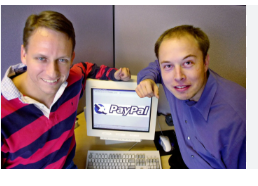
Before becoming one of the most influential innovators of our time, Elon Musk faced rejection, financial risk, and skepticism. After selling Zip2 and PayPal, he invested nearly all his wealth into SpaceX and Tesla—two industries known for high failure rates. Many believed he was reckless. Musk, however, saw fear as a signal to think deeper, not retreat.
Redefining Failure
Musk does not view failure as a dead end. He treats it as data. SpaceX’s early rocket launches failed repeatedly, each explosion broadcast publicly. Instead of quitting, Musk analyzed what went wrong and improved the next attempt. This mindset—failure as feedback rather than defeat—is a cornerstone of personal growth and innovation.
Thinking Long-Term
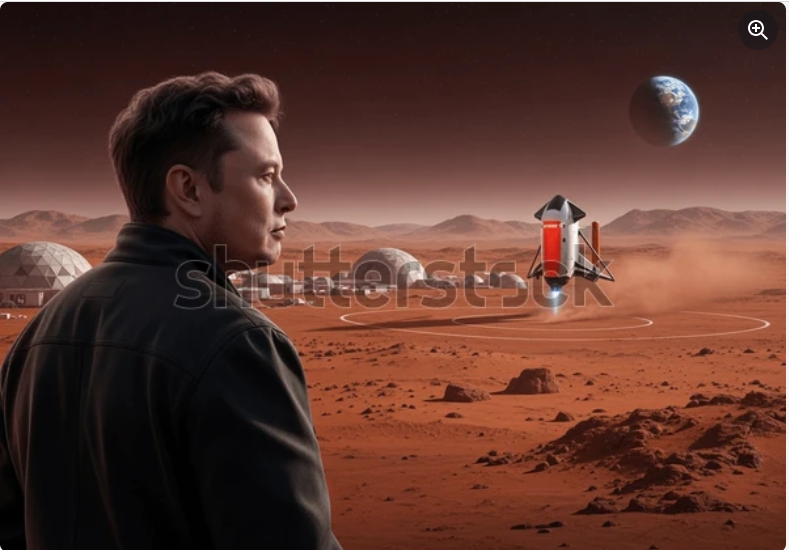
One of Musk’s greatest strengths is long-term thinking. While others focus on immediate results, he works toward goals that may take decades to achieve, such as colonizing Mars or transitioning the world to sustainable energy. By focusing on purpose rather than short-term fear, he reduces emotional resistance to setbacks.
Fear as a Tool, Not a Barrier
Elon Musk openly admits feeling fear—but he refuses to let it control his decisions. He asks a simple question: Is this fear rational, and does it outweigh the value of the goal? This approach transforms fear into a tool for clarity rather than a reason for paralysis.
Relentless Learning and Adaptation
Musk’s growth mindset is rooted in continuous learning. He taught himself rocket science by reading textbooks and consulting experts. When obstacles appear, his response is not avoidance but curiosity. This habit of learning allows him to adapt faster than fear can stop him.
Lessons for Personal Growth
Elon Musk’s story offers practical lessons anyone can apply:
-
Failure is information, not identity
-
Fear does not disappear—confidence grows through action
-
Big goals require long-term thinking
-
Learning is the antidote to doubt
-
Purpose is stronger than comfort
-

Conclusion
Elon Musk’s success is not the absence of fear or failure—it is the mastery of perspective. By thinking beyond fear and redefining failure as part of growth, he demonstrates what is possible when vision outweighs doubt. His journey reminds us that personal growth begins the moment we stop asking “What if I fail?” and start asking “What can I learn?”