
In today’s digital world, dropshipping stands out as a low-investment, high-reward business model. But how do you scale it to hit $75,000 in revenue within just six months? This isn’t about luck—it’s about executing a proven strategy with precision. In this blog post, I’ll share the exact steps, strategies, and tools I used to achieve this milestone.
What Makes Dropshipping So Powerful?
Dropshipping eliminates the headaches of managing inventory, warehousing, and shipping. This allows entrepreneurs to focus on what matters most: sales and marketing.
With a carefully planned approach, it’s possible to build a thriving dropshipping business and generate significant income within a short period. Here’s the roadmap I followed to make $75,000 in six months.
Step 1: Find a High-Demand, Profitable Niche
The Secret to Niche Selection
Not all niches are created equal. To maximize your chances of success, focus on niches that are trending and have consistent demand.
- Problem-Solving Products: Items that address specific pain points sell quickly.
- Passion Products: People spend more on hobbies and interests.
- Mid-Priced Products: Products priced between $25-$150 often have the best balance of affordability and profit margins.
Tools for Niche Research
- Google Trends: Identify growing market trends.
- AliExpress Dropshipping Center: Analyze top-performing products.
- Social Media Trends: Platforms like TikTok, Instagram, and Pinterest are goldmines for finding trending items.
Step 2: Build a Store That Converts
A professional, user-friendly store is critical to turning visitors into customers.
1. Platform Matters
Shopify is an excellent choice for beginners and experienced dropshippers alike. It’s easy to use, integrates with key tools, and offers customization options.
2. Store Optimization Tips
- Fast Loading Speed: Ensure your store loads in under 3 seconds.
- Mobile Optimization: Over 70% of e-commerce traffic comes from mobile devices.
- Clear Call-to-Actions (CTAs): Use buttons like Buy Now or Limited Stock—Order Today to drive conversions.
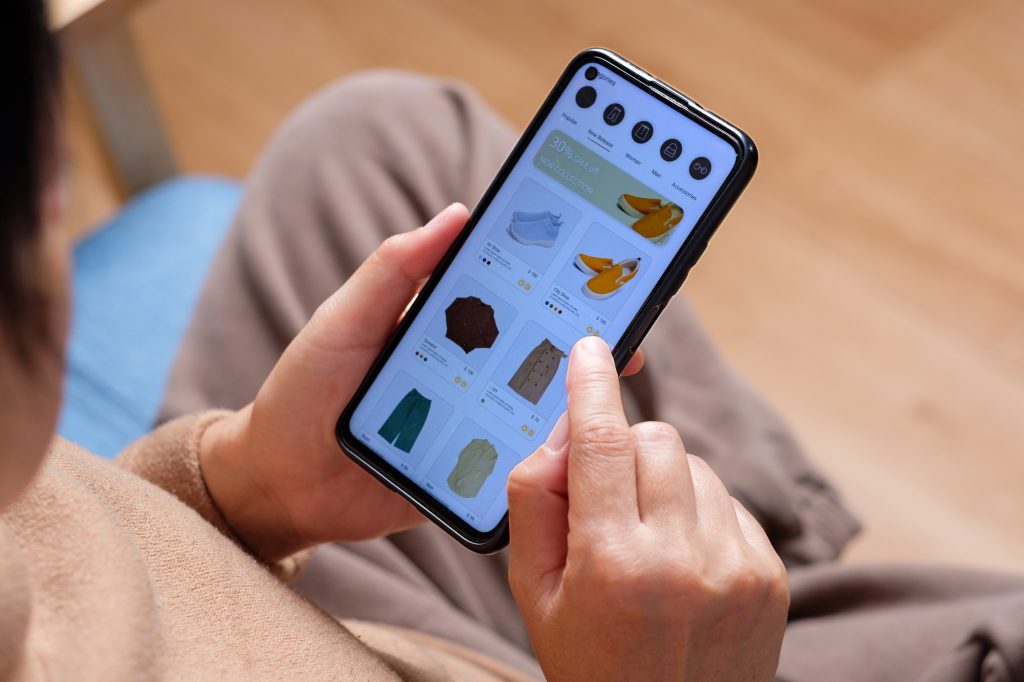
close up hand browsing shopping fashion mobile app on sofa at home
3. Must-Have Apps
- DSers: Streamlines supplier management.
- Klaviyo: For email marketing and abandoned cart recovery.
- ReConvert: Upsell customers post-purchase to boost revenue.
Step 3: Master Paid Advertising
1. Start with Facebook and Instagram Ads
These platforms are the backbone of dropshipping success.
- Budget: Begin with $20-$50 per day to test ad sets.
- Targeting: Use interest-based targeting to reach your ideal audience.
- Ad Creatives: High-quality videos showcasing the product in action outperform static images.
2. Leverage TikTok Ads
TikTok is a rising star in e-commerce. Its viral nature allows products to gain traction quickly. Create short, engaging content tailored to TikTok’s audience.
3. Retargeting Campaigns
Retargeting helps recover visitors who didn’t purchase during their first visit. Use dynamic ads to show users the exact products they viewed.
Step 4: Scale Winning Products
When you find a product that sells well, scale it effectively:
- Vertical Scaling: Gradually increase your ad spend by 20-30% every few days.
- Horizontal Scaling: Duplicate successful ad sets and target different audiences or regions.
- Expand Channels: Test your product on Google Shopping, Pinterest Ads, or even YouTube Ads.

Portrait young attractive asia female owner startup business work happy with box at home prepare
Step 5: Focus on Profit Margins
Revenue means nothing without profits. Here’s how I maintained a healthy margin:
- Source Efficiently: Negotiate with suppliers for better pricing or faster shipping.
- Bundle Deals: Increase your average order value (AOV) by offering complementary products.
- Monitor Ad Spend: Regularly analyze and cut underperforming ads.
Step 6: Automate and Outsource
As sales grow, automation becomes essential to handle operations.
- Automate Order Fulfillment: Use tools like DSers or Oberlo.
- Outsource Customer Support: Hire virtual assistants to handle emails, returns, and inquiries.
- Streamline Analytics: Tools like Google Analytics and Shopify Reports simplify tracking performance.
Step 7: Build Long-Term Customer Relationships
A loyal customer base ensures steady revenue.
- Email Marketing: Send regular updates, promotions, and reminders to your email list.
- Loyalty Programs: Reward repeat customers with discounts or freebies.
- Personalization: Tailor product recommendations based on browsing and purchase history.
The Financial Breakdown
Here’s how the numbers worked out:
- Average Order Value (AOV): $55
- Conversion Rate: 2.5%
- Total Visitors Needed: 54,545 over six months (~300 visitors/day)
- Ad Spend: $10,000 (approximately $55/day)
The key was to reinvest profits during the initial months to fuel growth and refine strategies.
Lessons Learned Along the Way
1. Test Constantly
Not every product will succeed, and that’s okay. Consistently test new products and ad creatives to find what works.
2. Adapt to Trends
Stay flexible and ready to pivot when trends shift. A trending product can skyrocket your sales in weeks.
3. Stay Customer-Centric
Positive reviews and word-of-mouth recommendations helped me stand out from competitors. Always prioritize customer satisfaction.

Conclusion
Achieving $75,000 in six months with dropshipping isn’t just a dream—it’s an attainable goal with the right strategy. By focusing on niche selection, store optimization, advertising, and scaling, you can replicate this success.
Start small, scale steadily, and always reinvest in your growth. Remember, consistency and persistence are the keys to building a profitable dropshipping business.
Are you ready to take your first step toward building your own dropshipping empire? Start today and write your own success story!